

Table of Contents
- What a K9 Handler Does Every Day
- K9 Handler Pros and Cons: The Full Picture
- How to Become a K9 Handler: Path and Requirements
- K9 Handler Salary and Benefits Breakdown
- K9 Handler Work-Life Balance: What You Need to Know
- The Handler-Dog Relationship: More Than a Job
- Is Being a K9 Handler Worth It for You?
- Frequently Asked Questions
Last Updated: October 11, 2026
What a K9 Handler Does Every Day
A K9 handler is a law enforcement officer who works alongside a trained police dog, managing its care, training, and deployment. The dog's sense of smell and tracking abilities far exceed human capability, forming the foundation of this specialized police work.
Daily responsibilities start before sunrise: feeding, exercising, and inspecting dogs for health issues. Shifts include patrol work, suspect apprehension, or detection tasks like narcotics searches, with handlers constantly reading their dog's body language to adjust tactics.
Many K9 handlers take their dogs home, so off-duty care, feeding, exercise, and veterinary appointments, continues outside official hours. The dog becomes part of the household.
Daily training in obedience drills, search scenarios, and apprehension techniques keeps skills sharp, a commitment that separates K9 work from standard patrol.
K9 Handler Pros and Cons: The Full Picture
K9 handler work offers real rewards: a unique bond with your dog, membership in an elite unit, and direct crime-solving impact that feels meaningful.
Detection work saves lives, drug interdiction stops substances before they reach streets, and suspect apprehension removes dangerous people from circulation. Handlers see direct results.
The cons are substantial. Deployments happen at night, weekends, and holidays, canceling family events and straining personal relationships.
Physical injuries happen regularly from suspect apprehensions and repetitive strain of handling large dogs during long shifts.
Handlers witness trauma scenes and violent confrontations, and watching their dog experience stress during high-intensity work affects them deeply.
| Aspect | Pros | Cons |
|---|---|---|
| Partnership | Unique bond with dog | Constant responsibility |
| Work Impact | Direct crime-fighting results | Exposure to trauma |
| Career Status | Elite unit membership | Irregular schedule |
| Physical Activity | High engagement | Injury risk |
| Family Time | Flexible in some cases | Unpredictable deployments |
How to Become a K9 Handler: Path and Requirements
Foundational Requirements: Police Academy and Patrol Experience
Complete a state-certified police academy (12-24 weeks) and 2-5 years of patrol experience before K9 consideration. Agencies evaluate judgment, discipline, and stress-handling ability before pairing you with a $15,000-$30,000 working dog.
Selection Criteria and Disqualifiers
Departments evaluate work record, physical fitness, and mental health. Disqualifying factors include disciplinary action, use-of-force complaints, or attendance issues. Psychological evaluation assesses stress tolerance and emotional stability.
Disqualifiers include animal abuse history, substance abuse, financial irresponsibility, felony conviction, or excessive force incidents. Selection is highly competitive.
Initial K9 Handler Training
Formal K9 handler training (4-8 weeks) covers dog behavior and psychology, handling techniques, detection work, apprehension scenarios, and obedience control.
Training is physically demanding, 8-10 hours daily of running, climbing, and handling a 70-100-pound dog. You learn your dog's unique personality and work style.
Dog Assignment and Pairing
Dogs come from breeders, military surplus, or rescue organizations. German Shepherds and Belgian Malinois dominate K9 units. Agencies pair handlers and dogs based on working style and specialty. A mismatch creates stress and performance issues.

Certification and Ongoing Qualification
Continuous education is mandatory: monthly training (4-8 hours), annual certification testing, and refresher courses. Certification standards vary by state and agency.
Realistic Timeline and Commitment
The full path typically takes 3-7 years: 2-5 years patrol experience, 4-8 weeks training, plus 6-12 months probation. Poor performance or missed certifications result in removal.
K9 Handler Salary and Benefits Breakdown
Base Salary and Overtime
Most handlers earn between $45,000 and $75,000 annually as base salary, with larger metropolitan departments typically paying $55,000-$75,000 and rural agencies closer to $45,000-$55,000. Overtime is common and adds substantial income. Handlers working special events, extra patrols, or investigations often accumulate 200-400 overtime hours yearly, increasing annual earnings by $15,000-$30,000 depending on pay rates and whether overtime is compensated at time-and-a-half or straight time.
Agency-Provided Benefits
Standard law enforcement packages include health insurance (medical and dental), pension systems (typically vesting after 20-25 years of service), and life insurance protecting your family if you're killed in the line of duty. K9-specific benefits are substantial: agencies cover veterinary care, dog food, and equipment. Many departments provide handlers with take-home vehicles, reducing commuting costs and ensuring immediate response capability during emergencies.
Hidden and Out-of-Pocket Expenses
This is where the financial reality diverges from posted salary. Handlers frequently purchase personal protective equipment beyond what agencies provide, specialized gloves, body armor inserts, or boots rated for K9 work, costing $500-$1,500 annually. Specialized training courses, advanced certification, or handler conferences sometimes require out-of-pocket payment ($300-$2,000 per course).
German Shepard Happy 250th America T-Shirt →
Off-duty care expenses are also real. While agencies cover food and routine vet care, handlers often purchase additional supplements, toys, or equipment to maintain their dog's conditioning. Weekend trips or vacations require boarding or care arrangements, typically $30-$75 per day. Some handlers hire trainers or handlers to care for their dog during extended leave, adding $500-$2,000 annually.
The Retirement and Separation Reality
When you leave the job, your dog typically stays with the agency or is retired elsewhere. You receive no compensation for the dog's care or adoption. Some handlers struggle emotionally with this separation and pursue private adoption or negotiation with the agency, which can involve legal fees ($500-$3,000) or private veterinary care costs if the dog has health issues ($2,000-$15,000 over remaining years).
Net Financial Assessment
A handler earning $60,000 base plus $20,000 in overtime ($80,000 gross) might net $55,000-$60,000 after taxes. Subtracting $3,000-$8,000 in annual out-of-pocket expenses leaves $47,000-$57,000 in true take-home income, solid middle-class earnings but not exceptional for a role with high physical and emotional demands. The financial case for K9 handler work is strongest if you value the mission and partnership over maximizing income.
K9 Handler Work-Life Balance: What You Need to Know
Work-life balance as a K9 handler is challenging. Your schedule doesn't follow a traditional pattern. Deployments happen when needed, not during business hours. Vacation requests get denied during high-activity periods.
Family time suffers significantly. Dinner plans get canceled when a suspect flees into your district. Kids' soccer games conflict with mandatory training. Holidays aren't guaranteed off. Your family learns to adjust plans around your job's demands.
The take-home dog arrangement complicates personal life. Your dog needs exercise and care every single day, regardless of your work schedule. Weekend trips require arrangements for your dog. Dating or socializing becomes harder when you're responsible for a 90-pound working animal 24/7.
Mental health impacts work-life balance too. Handlers carry stress from violent encounters home with them. Sleep disruption from high-alert mentality affects relationships. Partners and family members absorb the secondary trauma from your job.
However, some handlers find balance through intentional boundaries. Clear communication with family about schedule expectations helps. Connecting with other handlers who understand the lifestyle provides crucial support. Physical fitness and hobbies outside work create necessary outlets.
The reality is that K9 work demands sacrifice. You're not working a typical job where you clock out mentally. Your dog depends on you. Your community depends on you. This creates constant tension between personal needs and professional obligations.
The Handler-Dog Relationship: More Than a Job
The bond between a K9 handler and dog transcends typical work partnerships. You spend more time with your dog than your family. You trust your dog with your life during dangerous deployments. This creates an emotional connection that outsiders rarely understand.
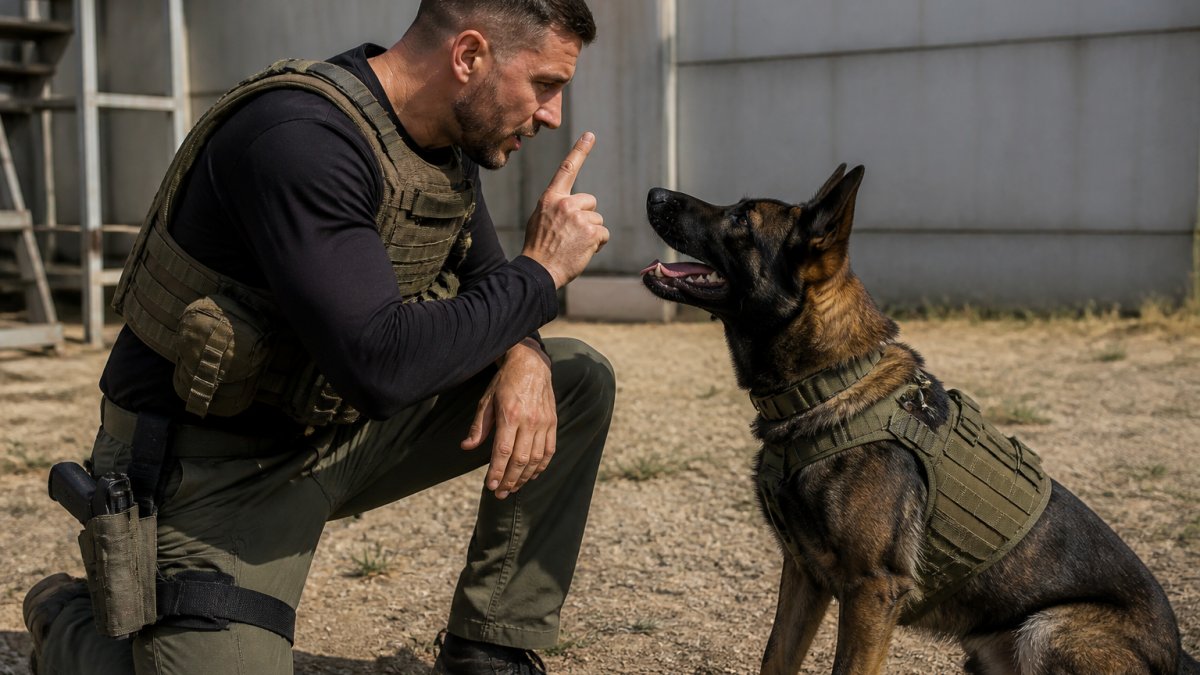
Your dog responds to your mood and stress levels. Dogs sense tension and anxiety. If you're struggling emotionally, your dog's performance suffers. This mutual dependence creates pressure to maintain mental stability for your dog's sake.
The relationship involves genuine care for your dog's wellbeing. Handlers monitor their dogs for signs of stress, injury, or illness. You adjust training intensity based on your dog's condition. Many handlers stay up worrying about their dog's health just like they would for a family member.
Retirement separation is emotionally difficult. When handlers leave the job, their dogs typically remain with the agency or retire elsewhere. The loss feels like losing a partner who saved your life countless times. Some handlers struggle with depression after this separation.
Yet this relationship provides deep meaning. Knowing your dog performs life-saving work creates purpose. The partnership represents loyalty and trust at the highest level. Many handlers describe their K9 as the best partner they've ever had.
Is Being a K9 Handler Worth It for You?
Whether being a K9 handler worth it depends on your priorities and temperament. If you're motivated by direct crime-fighting impact and willing to sacrifice personal time, this job offers genuine fulfillment. The partnership with your dog creates meaning that desk jobs rarely provide.
But if work-life balance is essential, K9 handler work will disappoint you. The unpredictable schedule and constant responsibility don't accommodate those needs. Family time suffers. Personal relationships strain under the pressure.
Physical demands matter too. This job requires sustained fitness and strength. If you're injury-prone or have physical limitations, the work becomes harder. The repetitive stress of handling large dogs during high-intensity scenarios accumulates over years.
Mental resilience is critical. Handlers witness violence, trauma, and human suffering regularly. If you don't have strong coping mechanisms, this exposure compounds into burnout. Support systems matter more than most people realize.
Consider also your life stage. Handlers with young families face different pressures than single officers. Parents struggle more with unpredictable schedules. Single handlers have more flexibility for the job's demands.
The financial aspect is real but not exceptional. K9 handler pay is solid for law enforcement but not extraordinary. You're not getting rich. You're earning a middle-class income with good benefits.
Ultimately, K9 handler work is worth it if the partnership with your dog and the mission matter more than stability and personal time. It's not worth it if you prioritize family time, predictable schedules, or financial maximization. Honest self-assessment about your values determines whether this career fits.
If you're drawn to this work, you understand the sacrifice it demands. The partnership with your dog and the direct impact on public safety create genuine purpose. At FUR MISSILE, we know that handlers take pride in their identity and their canine partners. Our German Shepherd Happy 250th America T-Shirt and Belgian Malinois Happy 250th America T-Shirt are designed for handlers who want to represent their partnership with pride. Made from ultra-soft ring-spun cotton that holds up through repeated wash cycles, our apparel reflects the commitment and durability your work demands. Get started with FUR MISSILE and wear gear that matches your handler identity.

Frequently Asked Questions
Is being a K9 handler worth it if you have a family?
It depends on your family's priorities. K9 handlers often work irregular hours, weekends, and on-call shifts that can strain family time. Many agencies require handlers to take their dogs home, which adds off-duty care responsibilities. However, some handlers find the mission fulfilling enough to balance family commitments. Honest conversations with your family about schedule demands and the handler-dog relationship before pursuing this role is essential.
How much does a K9 handler make compared to regular officers?
K9 handlers typically earn 5-15% more than standard patrol officers, depending on the agency and location. Some departments offer specialty pay, shift differentials, or longevity bonuses. However, higher pay often comes with increased responsibility, on-call requirements, and the cost of caring for a working dog at home. The salary boost doesn't always offset the additional demands.
What are the biggest challenges of being a K9 handler?
The primary challenges include irregular schedules, physical and psychological stress from high-risk deployments, the emotional weight of losing a partner dog at retirement or death, and the constant demand for dog care and training. Handlers also face public scrutiny, legal liability, and the pressure to maintain peak performance. The role requires exceptional dedication beyond the standard officer's duties.
Do K9 handlers get to keep their dogs after retirement?
Most agencies allow handlers to adopt their retired K9 partners, and many handlers do. This provides a rewarding way to care for the dog during retirement. However, retired working dogs may have behavioral or health issues that require ongoing veterinary care and training. The adoption process and post-retirement support vary significantly by agency.